Can the use of emojis create a binding contract at law? That is a question looked into in the recent ruling in Southeaster Maritime Ltd v Trafigura Maritime Logistics PTE. Ltd.*
Emojis, once used primarily in informal conversations, are now increasingly making their way into professional settings, particularly as business is often conducted via messaging apps. It was inevitable that courts in England, as well as other jurisdictions, would face the question: Can emojis form part of a legally binding contract? Recent cases offer useful insights into how emojis may be interpreted in contract law, particularly in the context of offer and acceptance.
The Role of Emojis in Contractual Agreements 📜
At its core, contract law requires four key elements: offer, acceptance, consideration, and intention to create legal relations. Traditionally, these elements were communicated through words, either written or spoken. Bur the rise of digital communication has introduced a new dimension: emojis. This raises an important question: Can emojis like the thumbs-up or smiley face signify acceptance of a contract? And if so, under what circumstances?
Courts will generally assess whether there is clear evidence of agreement between the parties. This can become more complex when emojis are involved, as their meanings may vary depending on context, usage patterns, and the interpretations of the parties.
Recent Case Law ⚖️
A recent case in Canada, South West Terminal Ltd. v Achter Land & Cattle Ltd [2023] SKKB 116, addressed this very issue. In this case, the defendant regularly used a thumbs-up emoji in response to the claimant’s offers via text. The defendant argued that the emoji merely confirmed receipt of the contract, but the court disagreed. It held that the thumbs-up emoji represented acceptance of the contract, emphasising the importance of context, customs and practices, and the reasonable expectations of the parties.
In England, the High Court has recently weighed in. In Southeaster Maritime Ltd v Trafigura Maritime Logistics PTE. Ltd [2024] EWHC 255, the court similarly found that a thumbs-up emoji could indicate acceptance of contractual terms. This aligns the English courts with the Canadian approach.
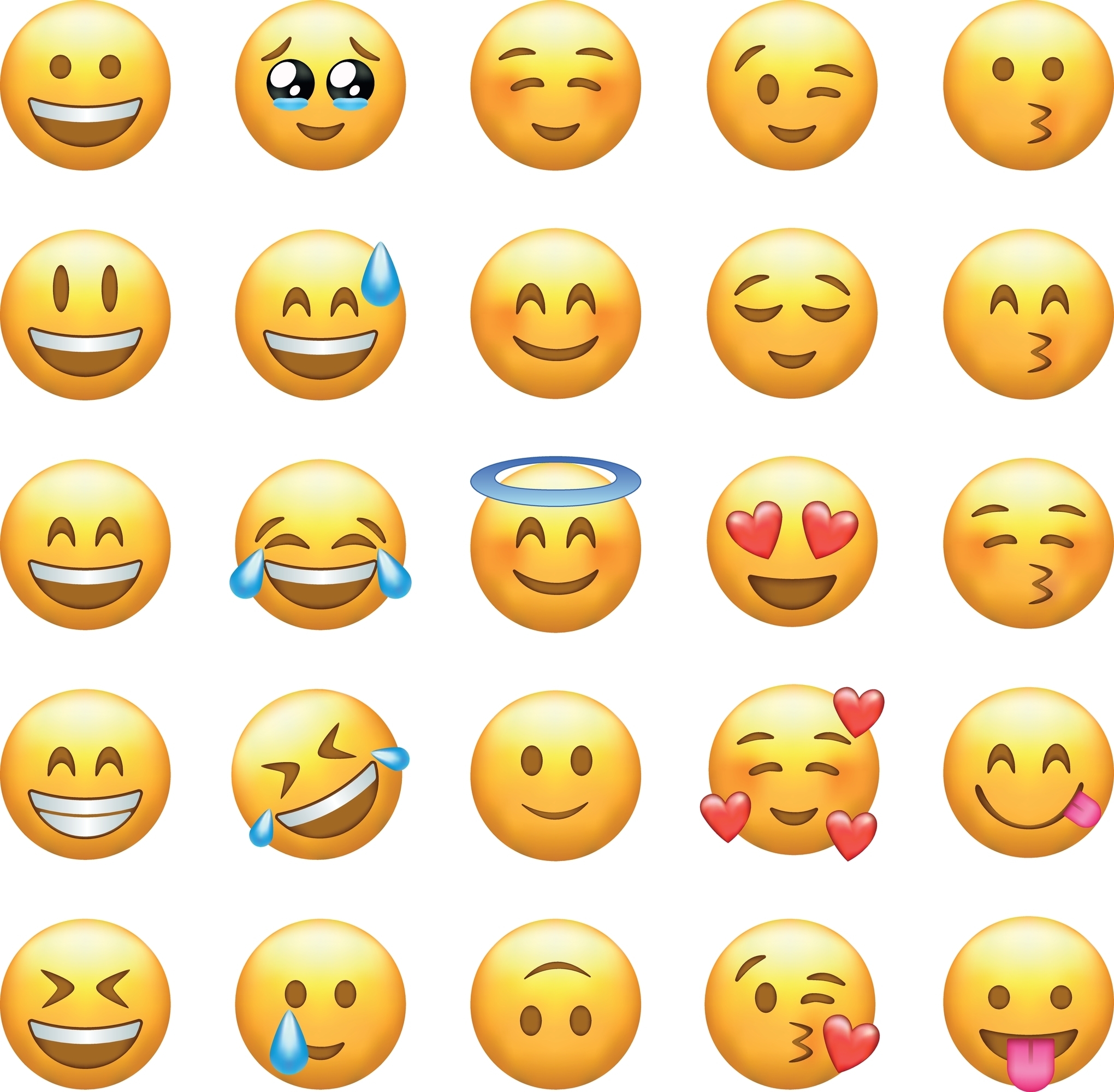
However, not all emojis are interpreted as straightforwardly as the thumbs-up. For instance, a smiley face (🙂) may convey various emotions, such as happiness, approval, acknowledgment, or even sarcasm. Likewise, an angry face (😠) could imply acceptance of an agreement, but with displeasure regarding certain terms. Courts will need to carefully evaluate the context in which such emojis are used.
Practical Implications for Businesses ⚠️
As the use of emojis becomes more prevalent in professional settings, those responsible for negotiating contracts must exercise caution. Just like words, emojis can have multiple interpretations depending on the context in which they are used.
Wherever possible, contractual negotiations should be formalised in writing, ensuring that the terms are clear and unambiguous. Both businesses and individuals should be wary of using emojis in informal communications that could inadvertently lead to disputes over intent.
Contact Ai Law Today
As a firm of commercial solicitors dealing in all aspects of contract law and contractual disputes, our team is experienced and capable to assist you. Contact Us Today by clicking here.
Source:
* [2024] EWHC 255